
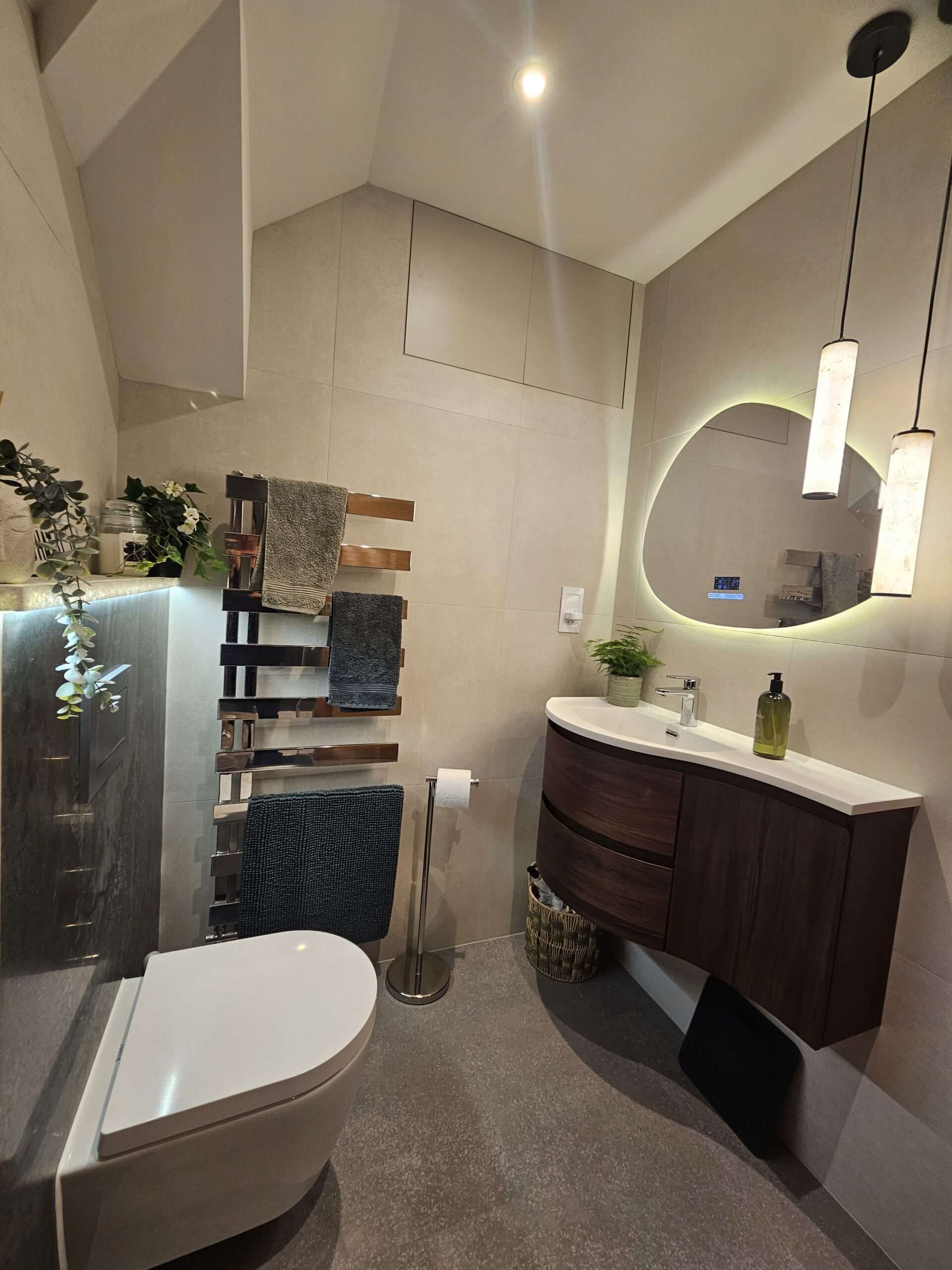
How Long Does a Bathroom Refurbishment Take?
How Long Does a Full Bathroom Refurbishment Take?
One of the most common questions homeowners ask when planning a new bathroom is: How long will the refurbishment take?
A bathroom renovation is a significant investment, and naturally, you want to know how long your bathroom will be out of use and when you can start enjoying your new space.
At Master of Maintenance, we typically allow between 7 and 14 working days to complete a full bathroom refurbishment. The exact timescale depends on the size of the bathroom, the complexity of the work, the condition of the existing room and the type of installation required.
Whether you are replacing an outdated bathroom suite or planning a complete transformation, proper preparation and organisation are essential to achieving a high-quality finish within a realistic timeframe.
In this guide, we explain what is involved in a typical bathroom refurbishment, how long each stage can take and what factors might affect the overall duration.
How Long Does a Bathroom Refurbishment Take?
As a general guide, a complete bathroom refurbishment usually takes between 7 and 14 working days.
A relatively straightforward bathroom replacement, where the existing layout and plumbing can remain largely unchanged, will normally take less time than a more complex renovation involving new pipework, changes to the bathroom layout, extensive tiling or additional preparation work.
At Master of Maintenance, we take the time to assess each project individually before providing an estimated timescale. This helps us plan the work properly and give customers a realistic expectation of when their new bathroom will be ready.
Bathroom Refurbishment Timeline: What Happens Each Day?
Every bathroom renovation is different, but the following provides an example of how a typical full bathroom refurbishment might be organised.
Days 1–2: Removal and Preparation
The first stage involves removing the existing bathroom fittings and preparing the room for the new installation.
This usually includes:
- Removing the existing bath, shower, toilet and washbasin.
- Removing wall and floor tiles where necessary.
- Removing old flooring and unsuitable materials.
- Disconnecting and preparing existing plumbing.
- Inspecting walls, floors and pipework for any underlying problems.
- Preparing the room for the new installation.
Proper preparation is extremely important. Once the old bathroom has been removed, we can identify any issues that need attention before proceeding with the new installation.
Days 2–4: Plumbing and Building Preparation
Once the room has been cleared, attention turns to the plumbing and preparation work.
Depending on the project, this can involve:
- Installing new water supply and waste pipework.
- Adjusting existing plumbing positions.
- Preparing shower and bath connections.
- Installing or modifying supporting structures.
- Reboarding walls where required.
- Preparing floors and surfaces.
- Installing appropriate waterproofing systems.
The amount of work involved at this stage depends heavily on whether you are keeping the existing bathroom layout or making significant changes.
Days 4–8: Tiling and Surface Finishing
Tiling is often one of the most time-consuming stages of a bathroom refurbishment, particularly when large areas of walls and floors are being covered.
This stage can include:
- Preparing surfaces for tiling.
- Measuring and setting out tile patterns.
- Cutting and fitting wall tiles.
- Installing floor tiles.
- Grouting and sealing.
- Completing waterproofing and finishing details.
The choice of tiles can also influence the timescale. Large-format tiles, intricate patterns, decorative features and specialist finishes can require additional time and precision.
Days 8–12: Installation of Bathroom Fittings
With the main preparation and tiling work completed, the new bathroom fittings can be installed.
This typically includes:
- Fitting shower enclosures and screens.
- Installing toilets and washbasins.
- Fitting vanity units and bathroom furniture.
- Connecting taps and shower systems.
- Installing towel radiators.
- Completing plumbing connections.
Careful installation is essential to ensure that everything works correctly and that all connections are properly sealed.
Days 12–14: Final Finishing and Checks
The final stage involves completing the finishing touches and checking that everything is working as it should.
This may include:
- Silicone sealing around baths, showers and fittings.
- Final plumbing connections and testing.
- Checking water pressure and drainage.
- Completing minor adjustments.
- Final cleaning and inspection.
- Checking the overall quality of the finished installation.
Once everything has been checked and completed, your new bathroom is ready to enjoy.
Please note: This is an illustrative programme rather than a fixed daily schedule. Some stages overlap, and straightforward projects may be completed more quickly. The actual programme will depend on the work involved.
What Factors Can Affect the Time Needed for a Bathroom Renovation?
Although 7–14 working days is a typical timeframe for our complete bathroom refurbishments, several factors can affect how long a project takes.
1. Size and Layout of the Bathroom
A small bathroom with a straightforward layout will generally take less time to refurbish than a large family bathroom or a bathroom with separate shower and bath areas.
The more fittings, surfaces and finishing details involved, the longer the installation is likely to take.
2. Changes to Existing Plumbing
Keeping the existing layout can help reduce installation time.
However, if you want to relocate the bath, toilet, washbasin or shower, additional plumbing work may be required. Moving waste pipes and water supplies can add considerably to the preparation involved.
3. The Amount of Tiling
The type and quantity of tiling can make a significant difference to the overall timescale.
For example, tiling a small area around a shower will generally take less time than tiling every wall and the entire floor.
Large-format tiles, intricate patterns and specialist finishes may also require additional preparation and installation time.
4. Condition of the Existing Bathroom
Sometimes problems only become apparent once the old bathroom has been removed.
Damaged plaster, uneven floors, leaking pipework, water damage or unsuitable existing surfaces may need to be repaired before the new bathroom can be installed.
Addressing these issues properly is important to ensure the finished bathroom is durable and fit for purpose.
5. Choice and Availability of Bathroom Products
The availability of your chosen bathroom fittings, tiles and materials can also affect the project schedule.
We recommend selecting and ordering the main products before the refurbishment begins wherever possible. This helps minimise delays caused by missing or incorrectly supplied items.
6. Additional Electrical and Decorating Work
Some bathroom renovations require additional work, such as new lighting, extractor fans, plastering or decorating.
Where additional trades are involved, their availability and the coordination of their work can influence the overall completion date.
Can a Bathroom Be Refurbished in 7 Working Days?
Yes, some bathroom refurbishments can be completed within 7 working days.
This is more achievable where the bathroom has a relatively straightforward layout, existing plumbing can be retained, the surfaces require limited preparation and the selected products are available before work begins.
More involved projects, particularly those requiring extensive tiling, plumbing alterations or additional building work, are more likely to take closer to 10–14 working days.
We would rather provide a realistic timescale than rush a project and compromise on the quality of the finished bathroom.
How Can You Help Keep Your Bathroom Refurbishment on Schedule?
There are several things homeowners can do before work starts to help the project run smoothly.
Choose your bathroom fittings in advance.
Make decisions about baths, showers, taps, toilets, vanity units and tiles before the installation begins.
Ensure products are available.
Where possible, have all the main materials and fittings delivered before the start date.
Agree on the layout.
Finalising the bathroom design and positioning of the main fittings in advance helps avoid unnecessary changes once work has started.
Discuss any special requirements.
If you have particular preferences regarding tiles, shower systems, lighting or bathroom furniture, discuss these during the initial survey.
Good planning and communication can make a considerable difference to the overall experience.
Bathroom Refurbishment in Milton Keynes
At Master of Maintenance, we provide complete bathroom refurbishment services in Milton Keynes and surrounding areas.
We understand that having your bathroom out of use can be inconvenient, particularly in busy family households. That is why we aim to organise each project carefully, work efficiently and keep disruption to a minimum.
From removing your existing bathroom and completing the plumbing to tiling, fitting and final finishing, we take care of the main stages of your bathroom renovation.
We pride ourselves on quality workmanship, attention to detail and providing an honest and reliable service.
If you are considering a new bathroom, take a look at our bathroom refurbishment services in Milton Keynes to find out more about what we offer.
Planning a Bathroom Refurbishment? Get in Touch
If you are thinking about renovating your bathroom, we would be happy to discuss your ideas and explain what would be involved.
Whether you are looking for a straightforward bathroom replacement or a complete transformation, we can assess your requirements and provide a realistic estimate of the work and timescale.
At Master of Maintenance, most full bathroom refurbishments take between 7 and 14 working days, depending on the complexity of the project.
Contact us today to arrange your no-obligation estimate.
Master of Maintenance – Bathroom Refurbishment Specialists in Milton Keynes.